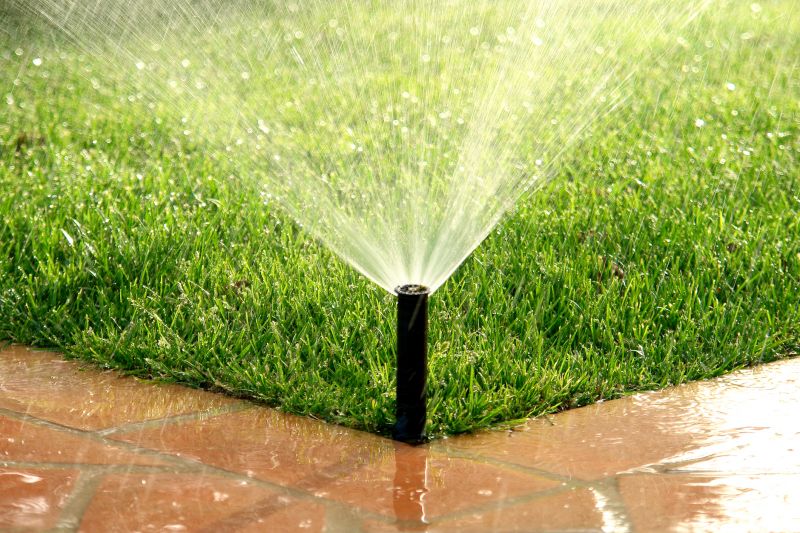
Irrigation Winterization in Reno, NV
Irrigation winterization services involve preparing a property's sprinkler system for the colder months to prevent damage from freezing temperatures. This typically includes draining or blowing out remaining water in the pipes, valves, and sprinkler heads, and sometimes adding antifreeze to protect any components that cannot be fully drained. These services are essential for homeowners with in-ground irrigation systems to ensure that the system remains in good condition and functions properly when spring arrives. Projects covered by winterization can range from small residential lawns to larger landscape irrigation setups, including both manual and automatic systems.
Property owners interested in irrigation winterization should understand the importance of scheduling the service before the first hard freeze to avoid costly repairs. It’s also helpful to know which type of irrigation system is installed, as some systems may require specific procedures or additional protections. Clarifying whether the system has backflow preventers, zone valves, or other specialized components can ensure the winterization process is thorough. Proper winterization helps maintain the longevity of the irrigation system and prevents damage caused by frozen water, ensuring reliable operation when watering resumes in the spring.
Many property owners in Reno, NV look into Irrigation Winterization for repairs, replacements, upgrades, and appearance-related improvements.
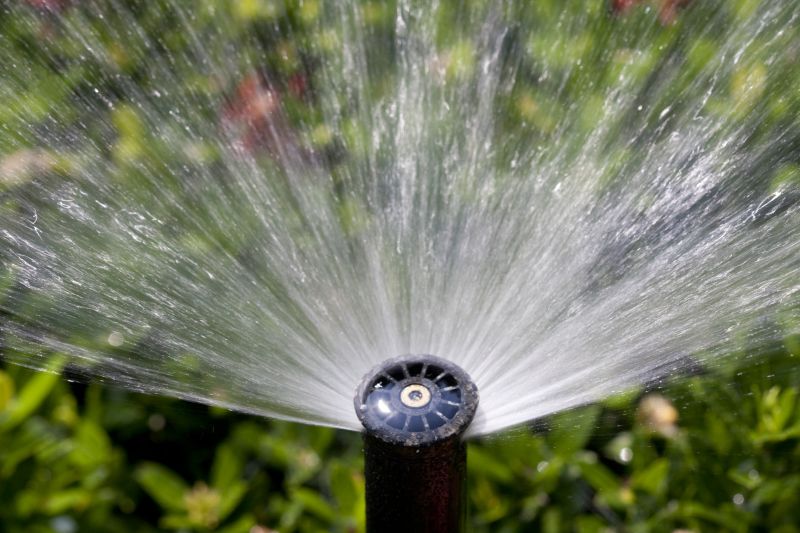
Preparing Sprinkler Systems For Winter
Proper winterization helps prevent freeze damage to irrigation components.
Protecting Your Landscape During Cold Months
Winterizing ensures your irrigation system is ready for the spring start-up.
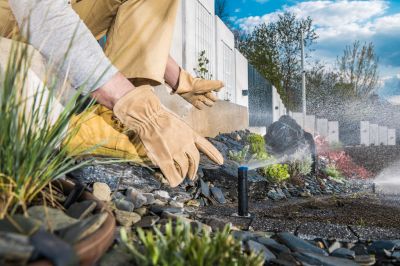
Essential Maintenance For Property Owners
Professional winterization reduces the risk of costly repairs in reno and nearby areas.
Irrigation Winterization in Reno, NV
Irrigation winterization services involve preparing a property's sprinkler system for the colder months to prevent damage from freezing temperatures. This typically includes draining or blowing out remaining water in the pipes, valves, and sprinkler heads, and sometimes adding antifreeze to protect any components that cannot be fully drained. These services are essential for homeowners with in-ground irrigation systems to ensure that the system remains in good condition and functions properly when spring arrives. Projects covered by winterization can range from small residential lawns to larger landscape irrigation setups, including both manual and automatic systems.
Property owners interested in irrigation winterization should understand the importance of scheduling the service before the first hard freeze to avoid costly repairs. It’s also helpful to know which type of irrigation system is installed, as some systems may require specific procedures or additional protections. Clarifying whether the system has backflow preventers, zone valves, or other specialized components can ensure the winterization process is thorough. Proper winterization helps maintain the longevity of the irrigation system and prevents damage caused by frozen water, ensuring reliable operation when watering resumes in the spring.
Many property owners in Reno, NV look into Irrigation Winterization for repairs, replacements, upgrades, and appearance-related improvements.
Common Irrigation Winterization Jobs
Irrigation Winterization - preparing sprinkler systems to prevent freeze damage during cold months.
Drain and blowout services - removing water from pipes and lines to avoid cracking.
Pipe insulation - protecting exposed components from freezing temperatures.
Backflow prevention - safeguarding water supply lines from potential damage caused by freezing.
System shutdown and storage - safely turning off and storing irrigation components for winter.
Leak detection and repair - identifying and fixing issues caused by winter-related stress on the system.
Irrigation Winterization Questions
Why is winterizing an irrigation system important? Winterizing helps prevent damage from freezing temperatures by protecting pipes, valves, and sprinkler heads during the cold months.
When should irrigation winterization be performed? It is recommended to winterize irrigation systems before the first hard freeze, typically in late fall.
What are common methods used for winterizing irrigation systems? The most common method involves draining or blowing out the system with compressed air to remove water from pipes and components.
Can winterization help avoid costly repairs? Yes, proper winterization reduces the risk of burst pipes and other freeze-related damages, saving on repair costs later.
Request Irrigation Winterization in Reno, NV
Use the quote form on this page to share the basics of your project and request more information for the type of work you need.